
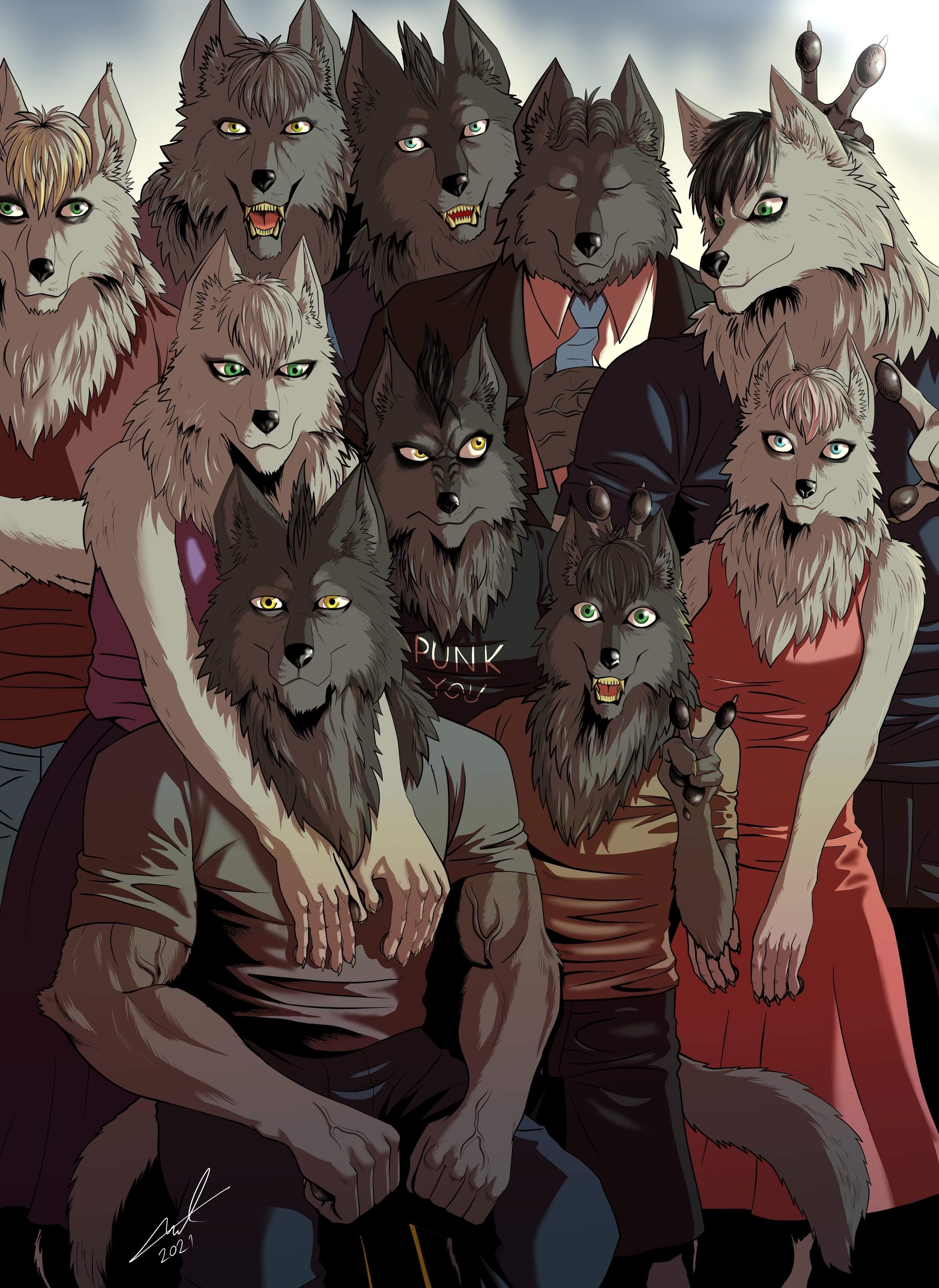
Anthropomorphic
Biology-First Anthropomorphism in Fantasy.
Start Here.
New to this blog? These posts lay the foundation for everything else.
The System — Read These First
How to Choose Which Animals to Anthropomorphize (And Why Most People Get It Wrong)
The starting gate. If you're building an anthropomorphic world, this comes first.
The Imago Dei Framework — The Theological Core That Separates This Method from Everything Else
The philosophical engine behind biology-first anthropomorphism. Avg. read time: 6:45.
Why There Are No Leonite Countries — Species, Culture, and the Integration Problem
The counterintuitive worldbuilding rule that unlocks realistic multi-species societies. Avg. read time: 6:26.
Browse by Category
Worldbuilding Foundations — The rules of the system: Imago Dei, species selection, sizing, propensities, the hierarchy.
Species Profiles — Deep-dives into specific species: Lupenites, Ursinians, Vulpens, and more.
Craft & Technique — How to write anthropomorphic characters that feel genuinely human.
Lore & Culture — In-world history, faith, and culture: the Volorskys, St. Nicholas Cathedral, and more.
Species Names in an Anthropomorphic World: Why My Characters Are Lupenites, Not Wolves
My characters never call themselves wolves, lions, or bears. Here’s why every species name in my world is built from Latin, why “Lupenite” doesn’t quite mean what you think it means, and why names — not translations — are what make a world feel real.
Can Different Species Marry in an Anthropomorphic World? Biology, Theology, and the Natural Order
Wolves and lions can’t marry in my world — and it’s not because of prejudice. It’s because nature already answered the question. Here’s why species boundaries matter, what free will has to do with it, and why the liger is a warning, not a loophole.
Different by Design: The Sizing System and Why It Had to Exist
A two-foot Vulpen and a twelve-foot Polar Ursinian ride the same subway car. This post breaks down the Size Class and Grade system that makes a multi-species world actually function — and why that variety had to exist in the first place.
Already There: The American Lion and Why the New World Felt Like Home
European Leonites crossing the Atlantic didn’t find an empty continent — they found their own people already home, tens of thousands of years ahead of them. A look at the American Lion, the Calatrans, and a New World spared history’s deadliest plague.
The Genetic Backbone: How Ancient Species Built the Modern World
A reader accused Eric of “whitewashing” his lion character for making him Italian-American. The real answer lies tens of thousands of years back in Ice Age Europe—where cave lions, Mosbach lions, and dire wolves never truly went extinct, but were absorbed into the modern Leonite and Lupenite bloodline.